
Antarctic21
Antarctica21: A Seamless Way to Experience Antarctica
Antarctica is one of those rare destinations that feels bigger than travel. It is remote, wild, and deeply moving — a place of ice cliffs, glacier fronts, penguin colonies, whale sightings, and the kind of silence you remember for the rest of your life. For travelers who want to get there in comfort without sacrificing the expedition experience, Antarctica21 offers one of the most distinctive ways to visit the White Continent.
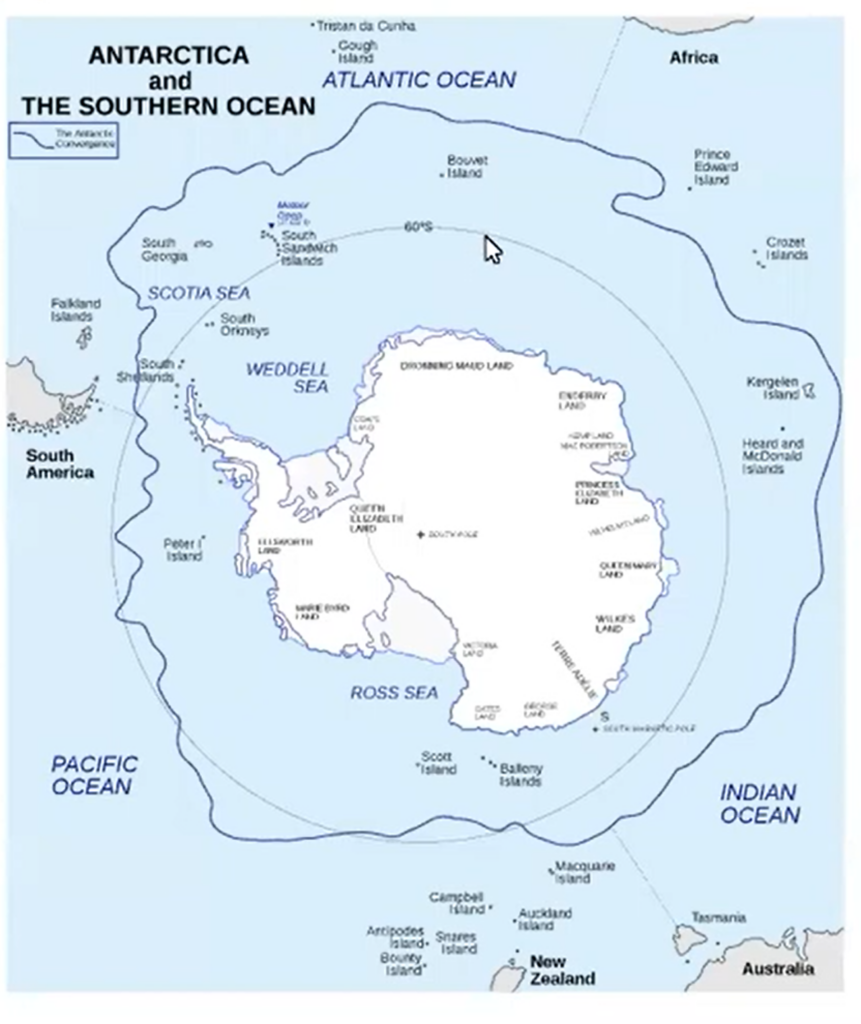
Okay so you know where Antarctica is, but technically where is Antarctica? Well that depends on which boundary you use. The political boundary, the black perfectly round circle is 60 degrees South – South of that is Antarctica. But if you are speaking about Antarctica the ecosystem, the boundary is the Antarctica Convergence, the blue circle that looks like it was drawn by a man on his sixth shot or your average toddler.
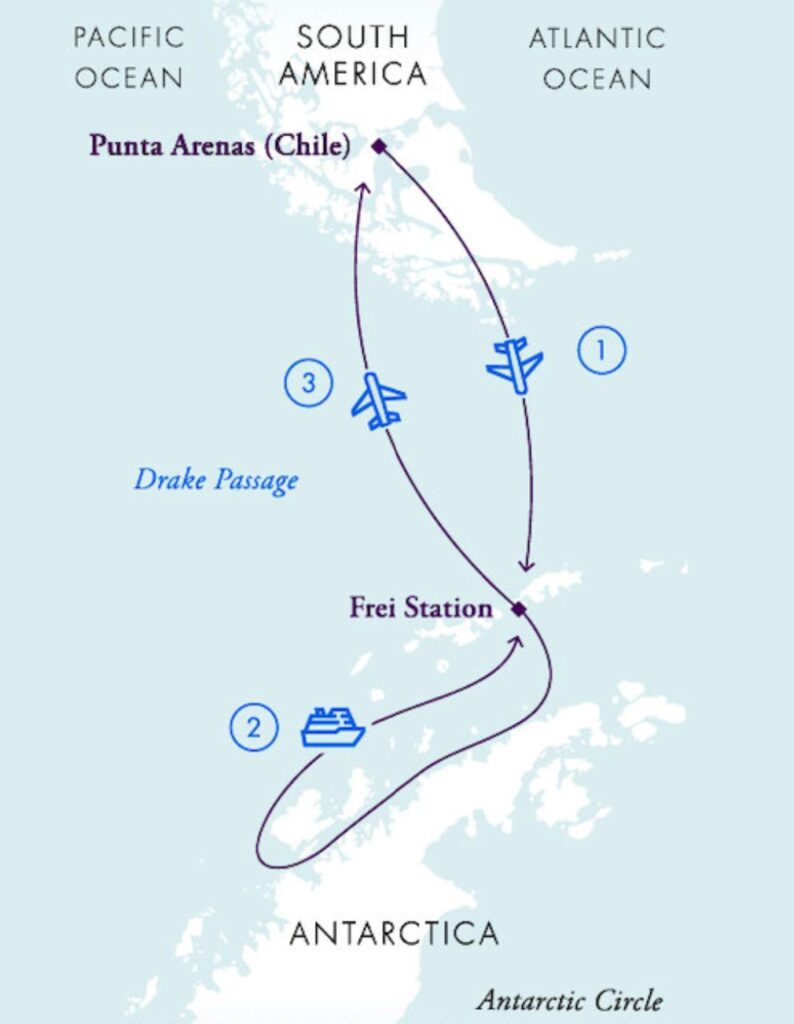
Instead of spending days crossing the Drake Passage by ship, Antarctica21’s signature fly-cruise model gets you to King George Island by air in about two hours, then continues the journey aboard a boutique expedition vessel. That means less time getting there and more time actually exploring Antarctica.
Antarctica21 has built its reputation around one clear idea: make Antarctica more accessible, more comfortable, and more immersive.
The biggest benefits of Antarctica21 include:
- Fly to Antarctica instead of sailing both ways — skip the long Drake Passage crossing and reach the continent quickly from Punta Arenas, Chile.
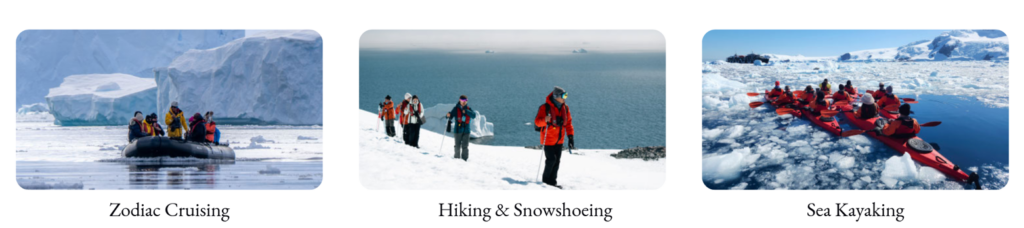
- More time in destination — with less time at sea, travelers can focus on landings, wildlife watching, Zodiac cruising, and learning from polar experts.
- Boutique expedition ships — with a maximum of 76 guests on air-cruises, the atmosphere feels intimate, personal, and efficient.
- Private balconies in every cabin on Magellan Discoverer — a major luxury for a polar journey, especially when the scenery is always changing.
- Strong guide-to-guest experience — Antarctica21 emphasizes a high staff-to-guest ratio, which helps create a more informative and well-supported expedition.
- Explorers House in Punta Arenas — a dedicated expedition center where guests attend briefings, enjoy a welcome dinner, prepare gear, and ease into the journey in a private, polished setting.
- Experienced polar operations — Antarctica21 has specialized in Antarctic fly-cruises since 2003 and has completed hundreds of expeditions.
- Sustainability-minded travel — the company highlights Carbon Neutral certification, conservation commitments, and environmental responsibility throughout its operations.
If you are short on time, or do not want to experience rough sea days, Antarctica21 is a strong match. For travelers who love the romance of a full ship crossing, it may not be the best fit — but for comfort, speed, and expedition depth, it is one of the most compelling choices in polar travel.
What Makes the Antarctica21 Experience Different
One of the most appealing parts of Antarctica21 is that the journey feels curated from start to finish. Guests are not simply put on a ship and sent south. They are welcomed into a complete experience that begins in Punta Arenas, where the company has built a true gateway for the adventure.
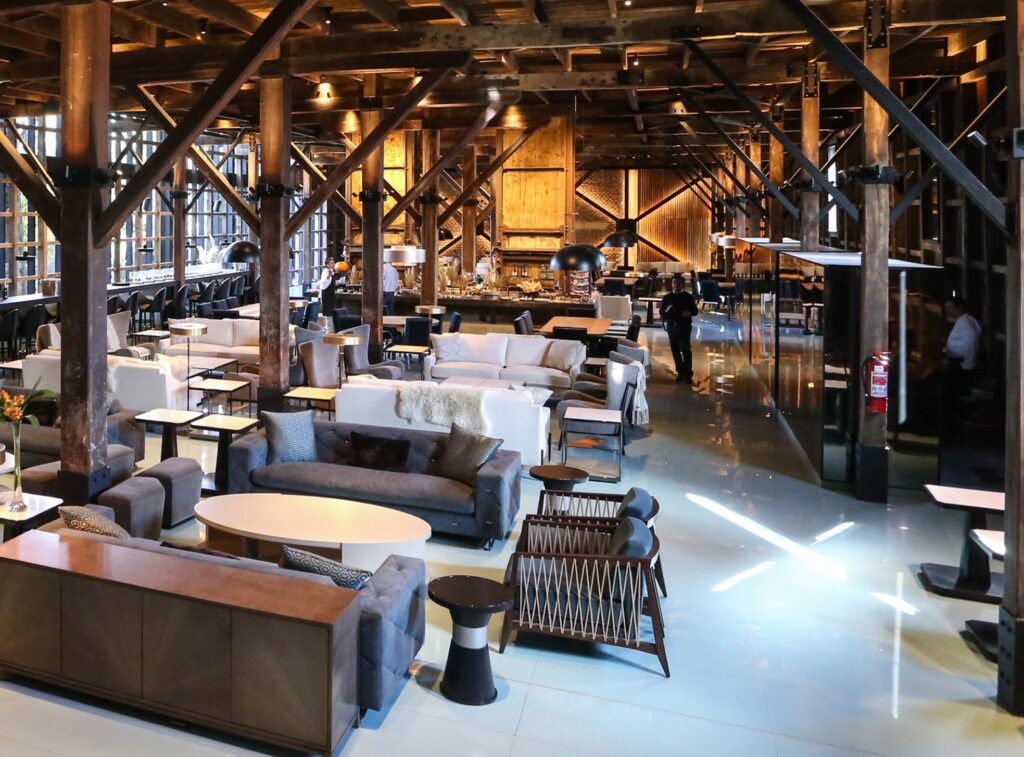
Explorers House adds a thoughtful layer to the trip. It gives travelers a space to settle in, meet their expedition team, attend safety and destination briefings, and step into the spirit of the voyage before ever boarding the aircraft. That creates a smoother transition into the remote environment ahead.
The onboard experience is equally refined. Both Magellan Explorer and Magellan Discoverer are designed for small-group expedition cruising, with comfortable public spaces, strong viewing areas, expert guides, and activities such as kayaking and hiking/snowshoeing. The newer Magellan Discoverer pushes the experience further with a more premium all-balcony design, hybrid-electric propulsion, and elegant interiors that reflect the Antarctica21 style.
What You’ll See in Antarctica by Month
Antarctica is always seasonal, and the experience changes beautifully from month to month. Wildlife behavior, snow conditions, daylight, and sea ice all shift as the season progresses, which means each month offers something a little different.
Late September to October
This is the beginning of the Antarctic season, when the continent still feels especially pristine. Sea ice is starting to retreat, and the landscape is often at its cleanest and most untouched.
What you may see:
- Fresh, bright snow and dramatic early-season ice conditions
- Penguins beginning courtship and mating behavior
- Nest-building activity, especially later in October
- Excellent scenery for travelers who love the raw, early-season look of Antarctica
Best for: travelers who want the most pristine winter-to-spring transition and dramatic ice scenery.
November
November is one of the most exciting wildlife months. Penguins are busy, active, and highly visible, and the season is fully underway.
What you may see:
- Penguins building nests and tending breeding sites
- Active seabird life
- More open water as sea ice continues to recede
- Excellent opportunities for wildlife photography
Best for: first-time Antarctica travelers who want a strong balance of wildlife, scenery, and active expedition conditions.
December
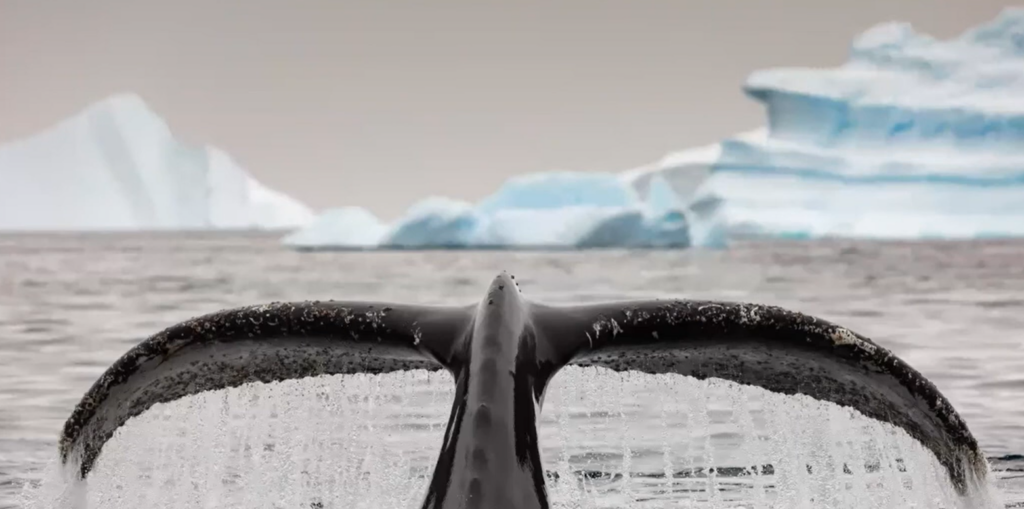
December brings more sunlight, warmer-feeling conditions by Antarctic standards, and a lively wildlife season. This is also when humpback whale sightings often become more rewarding.
What you may see:
- Penguin chicks beginning to appear
- Humpback whales more commonly seen in the region
- Long daylight hours for exploration and photography
- Busy, energetic landing sites with lots of animal activity
Best for: travelers who want a classic summer Antarctica feel with excellent wildlife action.
Late December to January
This is often considered prime summer season. Chicks are growing, the ice conditions are usually more open, and daylight is at its longest.
What you may see:
- Penguin chicks getting larger and more active
- Excellent conditions for Zodiac cruising and landings
- Nearly endless daylight in some areas
- Great overall visibility and a strong chance of varied wildlife encounters
Best for: travelers who want the fullest Antarctic summer experience and long, bright days.
February
February is one of the best months for whale watching. By this point, many young penguins are growing quickly, and wildlife activity remains strong.
What you may see:
- Increased chances of whale encounters
- More mature penguin chicks
- Excellent conditions for photography and exploration
- Beautiful late-season lighting
Best for: travelers who want wildlife-heavy travel, especially whale enthusiasts.
March
March brings a slightly different mood to Antarctica. The season is shifting, the light can be especially beautiful, and wildlife is still present in abundance.
What you may see:
- Penguin chicks becoming more independent
- Good whale viewing opportunities in many areas
- Striking late-season atmosphere and softer light for photography
- A quieter, more reflective feel as the season winds down
Best for: travelers who enjoy rich wildlife viewing with a more peaceful, end-of-season atmosphere.
When Is the Best Time to Visit Antarctica?
The best month depends on what the traveler wants most.
- For pristine ice and early breeding behavior: late September and October
- For active penguin behavior: November
- For chicks and whale sightings: December and January
- For whales and strong late-season wildlife: February
- For softer light and a quieter seasonal feel: March
Antarctica21 is especially well suited for travelers who:
- want a premium expedition with fewer logistics headaches
- prefer to avoid or minimize rough ocean crossings
- value comfort, efficiency, and small-ship intimacy
- are excited by wildlife, scenery, and educational expedition travel
- like the idea of starting the journey in a dedicated expedition center
- appreciate a polished, boutique-style approach to adventure travel
If the goal is the best all-around first trip, December through February is often the sweet spot. If the goal is the most pristine and atmospheric version of Antarctica, earlier in the season.
Final Thoughts
Antarctica21 offers a rare combination: speed, comfort, intimacy, and true expedition depth. The fly-cruise model makes Antarctica feel more accessible, while the boutique ship experience keeps the journey immersive and authentic. Add in strong sustainability values, expert guides, and a purpose-built base in Punta Arenas, and you have one of the most distinctive ways to experience the seventh continent.
For travelers dreaming of Antarctica, the real question is not whether it is worth going — it is what kind of Antarctica experience they want. And if they want a smoother, faster, more elegant path into the polar world, Antarctica21 is one of the best options to consider.