
Plan an Antarctica expedition cruise with confidence. Learn why itineraries are weather-dependent, why small ships matter, and the pros and cons of flying vs sailing the Drake Passage.
Antarctica is one of those rare destinations that lives up to the dream, but only if travelers understand what kind of trip they are really booking. This is not a place for rigid schedules or one-size-fits-all planning. An Antarctic expedition cruise is flexible by nature, shaped by weather, sea conditions, ice, and wildlife. That flexibility is not a flaw. It is the reason these journeys are so unforgettable.
For travelers considering a bucket-list trip to Antarctica, the biggest question is not just when to go. It is how to go, what to expect, and who should help plan it. At Midwest Travel Solutions, we believe Antarctica should be approached with the same care and expertise as any once-in-a-lifetime investment. The right ship, the right route, and the right planning support make all the difference.
Why Antarctic Expedition Cruises Are Flexible by Nature
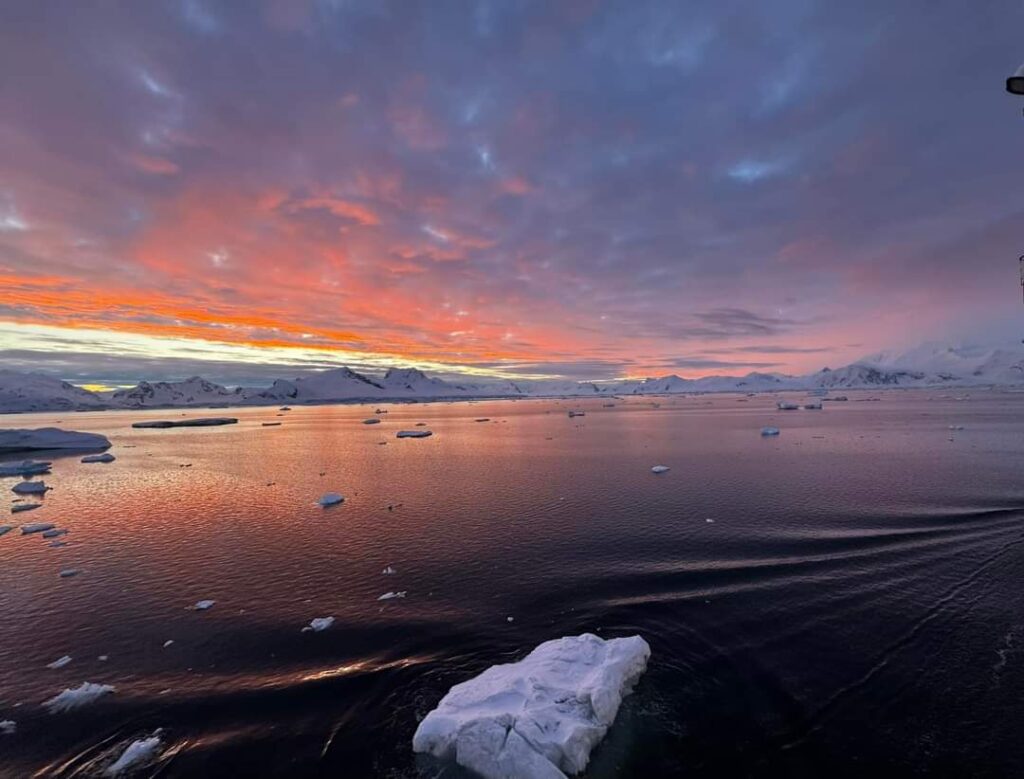
Antarctica is one of the most remote and dynamic places on Earth. Conditions can change quickly, and expedition teams must adapt in real time to protect guest safety and preserve the experience. That means every Antarctic itinerary is a guideline, never a guarantee.
Landings may be moved. Zodiac cruises may be rescheduled. Wildlife sightings may happen in unexpected places. Yet those changes are exactly what make the journey feel so alive.
Instead of following a fixed sightseeing script, Antarctic expeditions respond to the continent itself. That is part of the appeal. Guests are not simply arriving at a destination. They are entering an environment that is wild, unpredictable, and breathtakingly real.
Why Small Ships Matter in Antarctica
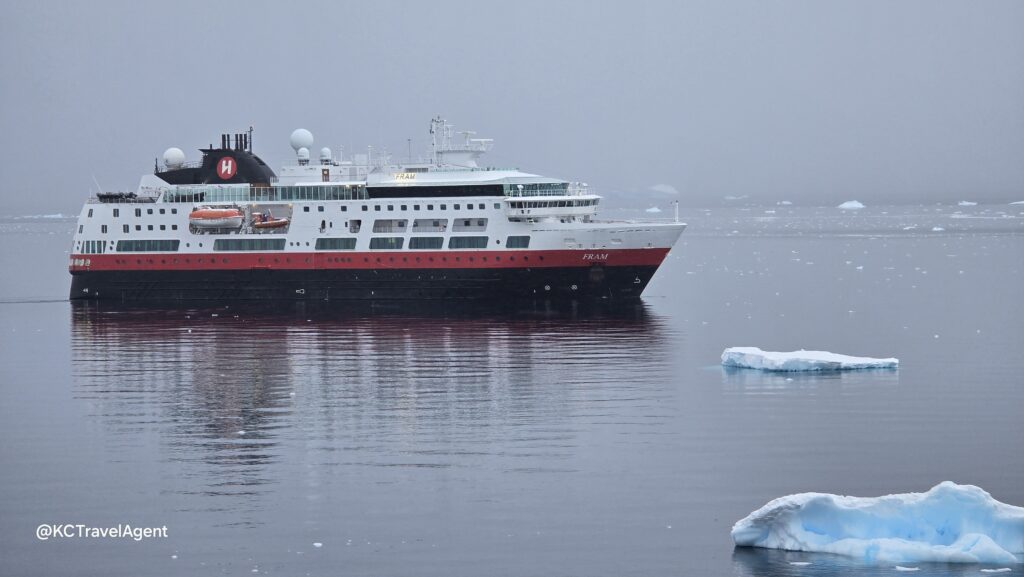
Ship size is one of the most important planning decisions for Antarctica. Not all vessels can offer the same experience, and in this region, that matters a great deal.
Only 100 guests may disembark at one time at Antarctic landing sites. That means smaller ships have a real advantage when it comes to getting guests ashore efficiently and maximizing time on land. Smaller ships also tend to feel more intimate, more expedition-focused, and more flexible when conditions change.
There is another key point travelers need to know: ships with more than 500 guests cannot disembark guests in Antarctica at all. That makes ship selection not just a comfort issue, but a functional one. I am really disappointed that larger ships even “sell” Antarctica cruises as they often misled travelers with a low price on a trip that does not deliver an actual Antarctica experience.
Flying vs. Sailing the Drake Passage: Which Is Better?
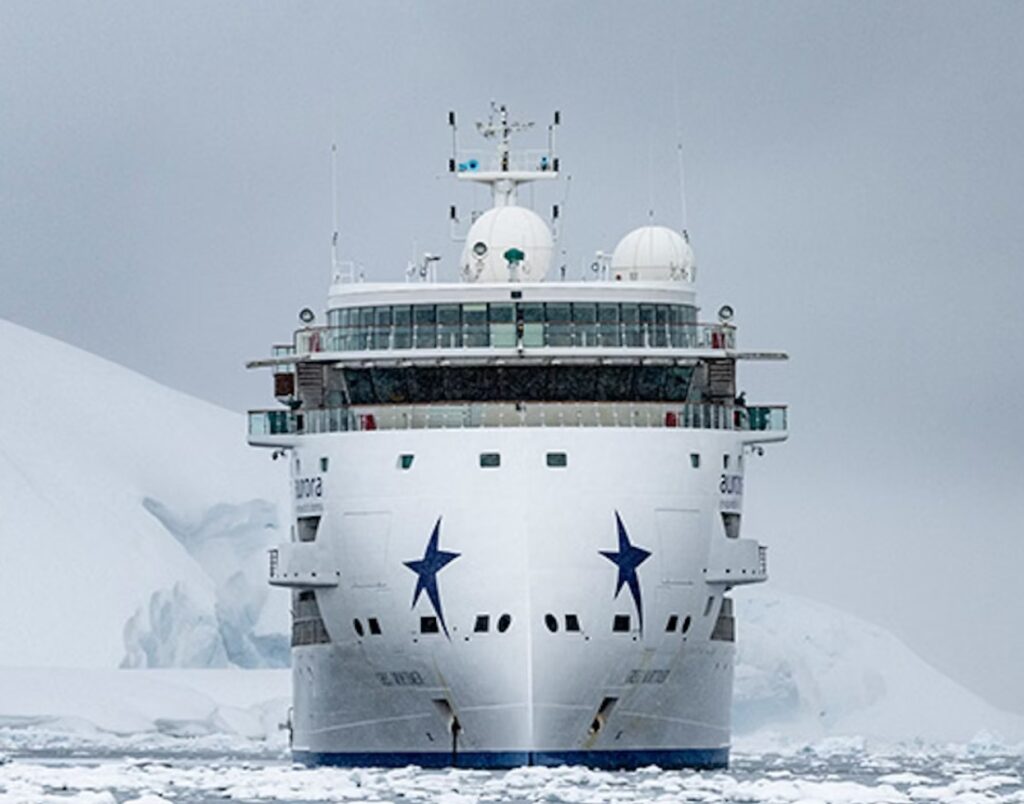
One of the biggest decisions in Antarctic trip planning is whether to fly one way or sail the Drake Passage. Both options have clear advantages, and the right choice depends on a traveler’s comfort level, time frame, and sense of adventure.
The Drake Passage is the stretch of ocean between South America and the Antarctic Peninsula. It is famous for being unpredictable. Sometimes it is calm. Sometimes it is rough. For some travelers, it is part of the legend. For others, it is the one part of the trip they hope to avoid. I felt that it was a rite of passage, and while I do not typically get seasick, even I was a little worried. I actually had difficulties opening my new bottle of meds, and ended up not taking anything at all. The first crossing was the Drake Shake, the second, the Drake Lake. While I did remove the hangers to keep them from rattling though the night, I slept like a baby, ate well and thoroughly enjoyed both experiences.
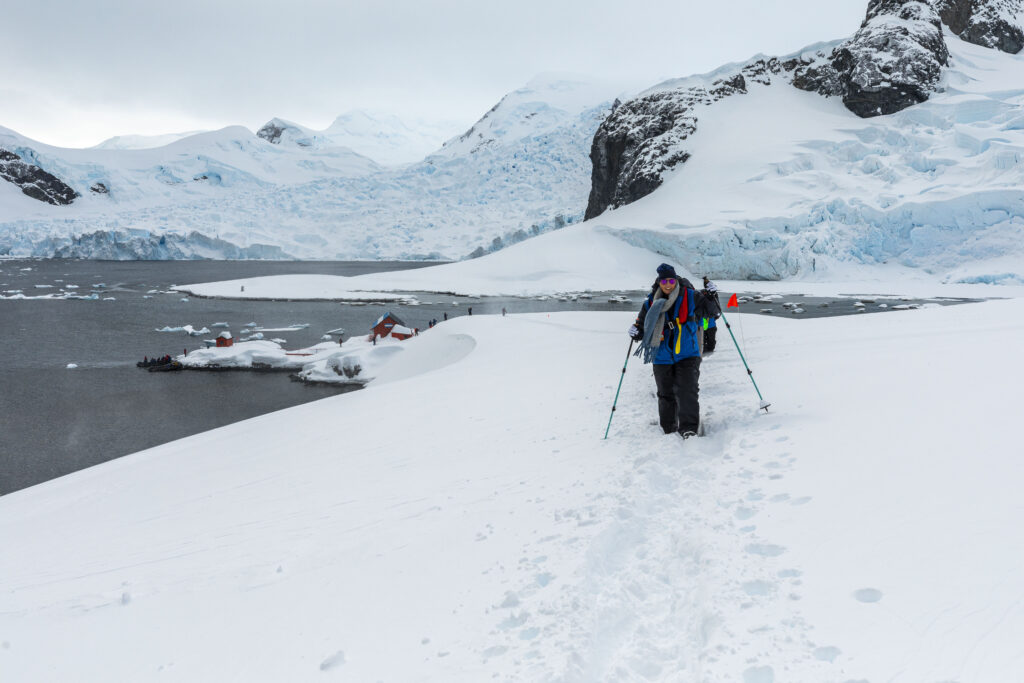
Flying one way typically means travelers take a flight from Punta Arenas, Chile, to King George Island and begin or end their expedition there. This shortens the journey and reduces time at sea.
Pros of flying
- Saves time and maximizes time in Antarctica itself
- Avoids one or both Drake crossings
- Better for travelers who are concerned about seasickness
- Good for those with limited vacation time
- Can feel less physically demanding overall
Cons of flying
- Flights are weather-dependent and may be delayed or adjusted
- Usually costs more than a sail-only itinerary
- Does not offer the full classic sea-voyage experience
- Luggage, logistics, and timing can be more complex (but Midwest Travel Solutions can make this as seamless as possible.
- You may miss the anticipation and rhythm of the ocean crossing and a badge of honor
Flying is often the best fit for travelers who want to prioritize comfort and efficiency. It is especially appealing for those who have dreamed of Antarctica for years but want to avoid the uncertainty of a long sea crossing.
Sailing the Drake Passage: Pros and Cons
Sailing the Drake is the classic route to Antarctica. It is the option that feels the most like a true expedition, with sea days that build anticipation and allow travelers to settle into the rhythm of the voyage.
Pros of sailing the Drake
- Offers a traditional expedition feel
- Includes sea days for learning, wildlife watching, and relaxation
- Gives travelers the full “voyage to the end of the world” experience
- Appeals to adventure-minded guests
- Often includes memorable sightings of seabirds and marine life
Cons of sailing the Drake
- Can be rough and uncomfortable
- Not ideal for travelers who are highly prone to motion sickness
- Uses more vacation time
- Weather can make the crossing unpredictable
- Some travelers simply prefer to spend less time at sea
For many guests, sailing the Drake is part of the romance of Antarctica. For others, it is a hurdle to overcome. Neither reaction is wrong. What are you more comfortable with?
Why Antarctica Should Be Planned With a Specialist Travel Agent

Antarctica is not a destination to book casually. It is expensive, remote, highly specialized, and full of moving parts. That is exactly why working with a specialist travel advisor matters.
A knowledgeable advisor helps travelers evaluate the right itinerary, the right ship, the right route, and the right expectations before anything is booked. Even more importantly, a specialist can help clients avoid common mistakes that lead to disappointment later.
At Midwest Travel Solutions, we believe a bucket-list destination deserves bucket-list expertise. That is especially true for Antarctica, where ship size, seasonal timing, activity level, and route style all affect the quality of the trip. You could ask AI, but the answer will omit some of the best choices since the most boutique experiences have the fewest reviews.
Part of Antarctica’s magic is that it does not try to impress in the way other destinations do. There are no crowded streets, souvenir districts, or packed sightseeing buses. Instead, there is silence, scale, and the kind of natural beauty that makes travelers pause and simply take it in.
Every day feels a little different, and that unpredictability creates the sense of wonder that makes Antarctic travel so unforgettable. Antarctica is not a destination that rewards rushed decisions or generic advice. It is a place where flexibility, ship size, and expert planning all directly affect the quality of the experience.
The itinerary will change. The weather will have a say. The wildlife will not follow a script. And that is exactly why Antarctica is so extraordinary.
Whether a traveler chooses to fly or sail the Drake Passage, whether they want a quieter expedition or a more adventurous route, the most important step is choosing the right ship and the right advisor. For a destination this unique, planning with a specialist travel agent who understands expedition travel is not just helpful. It is essential.
At Midwest Travel Solutions, we believe unforgettable journeys start with the right guidance. Antarctica is one of the greatest examples of that truth.